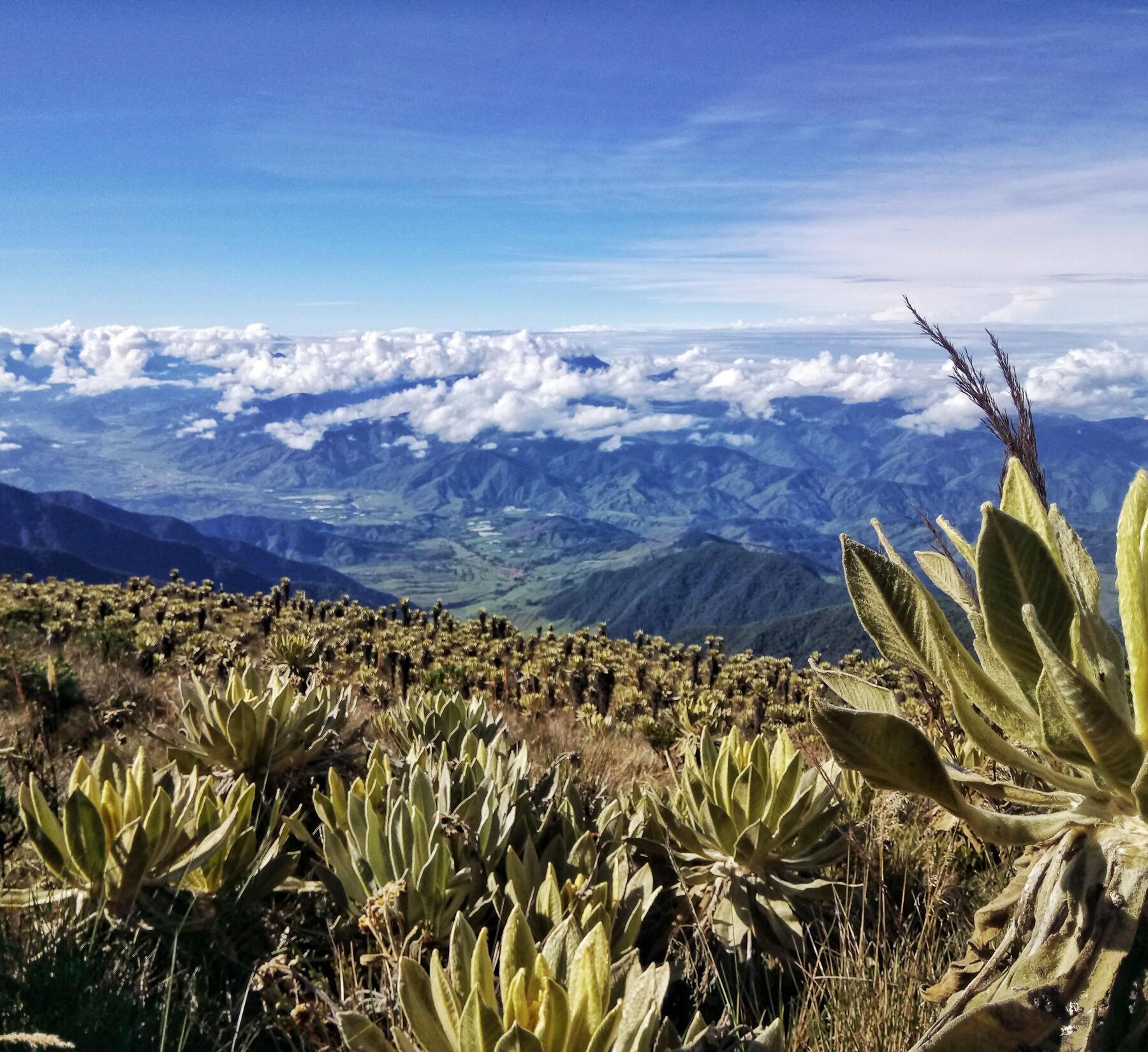

Just a few years ago, it was common to see groups of hikers heading toward Alto Campanas. Some came for the adventure, others for the spirituality of the mountain, and many simply to feel the clean, crisp air that can only be found up there. The Páramo del Sol, located in the municipality of Urrao, is the highest point in the department of Antioquia and one of the region’s most important ecosystems. Its closure to tourism since 2022 has sparked ongoing discussions about the balance between environmental conservation and local development. This article explores its recent history, ecological importance, and the challenges we face as a community.

1. Recent History: Tourism Boom and Environmental Degradation
Over the last decade, the Páramo del Sol became one of the most popular ecotourism destinations in Antioquia. The growing interest in high-mountain trekking attracted visitors from all over the country, drawn by the challenge of reaching Alto Campanas and the beauty of the Andean landscape.
However, this increase in visitors was not matched by adequate regulation. During peak seasons such as Easter Week, the number of tourists far exceeded the ecosystem’s capacity. Reports included damaged frailejones (endemic high-altitude plants), trash accumulation, eroded trails, and improper use of pack animals. These impacts led environmental authorities to close the area indefinitely in 2022.
2. Ecological Importance: Water, Biodiversity, and Climate
The Páramo del Sol is a key hydrological source in the Western Andes. Important tributaries of the Atrato, Penderisco, and Cauca Rivers originate in its highlands, making it a vital water source for multiple subregions in Antioquia and Chocó.
The páramo is also home to unique plant and animal species adapted to high-altitude conditions. These include the frailejones, which help regulate the water cycle, and species like the Andean hummingbird and spectacled bear. The vegetation also serves as a climate regulator, retaining water and storing carbon.
This ecosystem is extremely fragile. Trampling, littering, open fires, and land-use changes directly affect its ability to recover. Protecting it is not optional—it is essential.
3. Why Is the Páramo del Sol Closed?
The decision to close the páramo was based on clear technical evidence. Corpourabá and the Municipality of Urrao identified a pattern of ongoing deterioration, exacerbated by unregulated tourism. The closure serves two main purposes:
- Allow the ecosystem to recover: restoring damaged frailejones, wetlands, and trails.
- Develop a sustainable tourism model: defining visitor capacity, establishing controlled routes, and avoiding mass tourism.
Despite the closure, some tourists continue to enter through unauthorized routes. This worsens the environmental damage and threatens both ecological recovery and Urrao’s reputation as a responsible destination.
4. Local Challenges: Economy, Enforcement, and Adaptation
The closure of the Páramo del Sol has had a tangible economic impact on the local community. Guides, lodging providers, transport operators, and restaurants lost a significant portion of their business. This has forced many to adapt, seeking alternatives and diversifying their tourism offerings.
New routes such as the Camino del Sol, countryside hikes, coffee experiences, and cultural visits have emerged as viable options. These activities help maintain tourism flow without relying on access to the páramo.
Still, challenges remain: controlling illegal access, promoting environmental education among visitors and locals, and improving institutional coordination.